

Sikhism

Introduction to

Sikhism

Sikhism was founded on the teachings of Guru Nanak and nine successive Sikh Gurus in fifteenth century Punjab. It is the fifth-largest organized religion in the world. This system of religious philosophy and expression has been traditionally known as the Gurmat (literally the counsel of the gurus) or the Sikh Dharma. Sikhism originated from the word Sikh, which in turn comes from the Sanskrit root śiṣya meaning "disciple" or "learner", or śikṣa meaning "instruction."

The principal belief of Sikhism is faith in Vāhigurū—represented using the sacred symbol of ēk ōaṅkār, the Universal God. Sikhism advocates the pursuit of salvation through disciplined, personal meditation on the name and message of God. A key distinctive feature of Sikhism is a non-anthropomorphic concept of God, to the extent that one can interpret God as the Universe itself. The followers of Sikhism are ordained to follow the teachings of the ten Sikh gurus, or enlightened leaders, as well as the holy scripture entitled the Gurū Granth Sāhib, which, along with the writings of six of the ten Sikh Gurus, includes selected works of many devotees from diverse socio-economic and religious backgrounds. The text was decreed by Gobind Singh, the tenth guru, as the final guru of the Khalsa Panth. Sikhism’s traditions and teachings are distinctively associated with the history, society and culture of the Punjab. Adherents of Sikhism are known as Sikhs (students or disciples) and number over 23 million across the world. Most Sikhs live in Punjab in India and prior to the Indias partition, millions of Sikhs lived in what is now Pakistani Punjab.

The History of

Sikhism

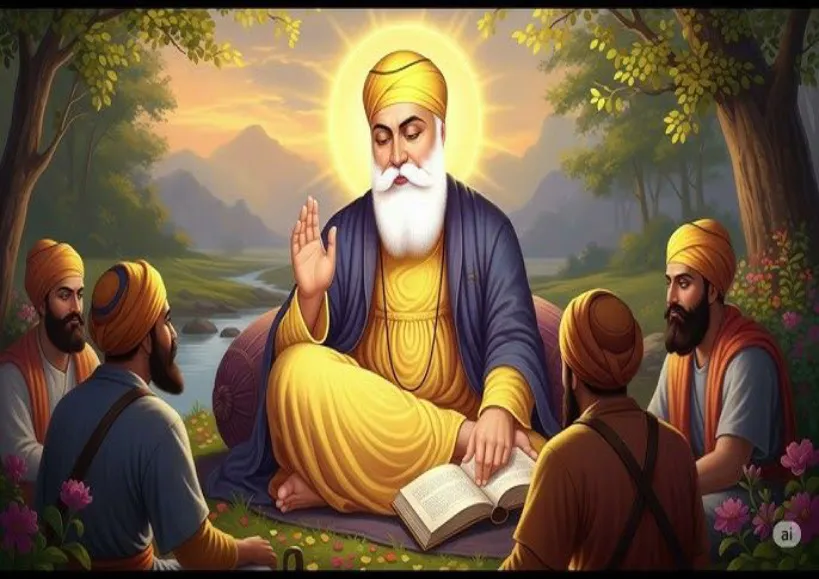
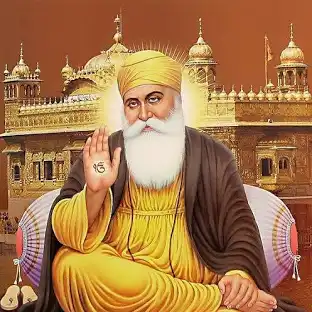
Sikhism, the youngest of the world religions, is barely five hundred years old. Its founder, Guru Nanak, was born in 1469. Guru Nanak spread a simple message of "Ek Ong Kar": we are all one, created by the One Creator of all Creation. This was at a time when India was being torn apart by castes, sectarianism, religious factions, and fanaticism. He aligned with no religion, and respected all religions. He expressed the reality that there is one God and many paths, and the Name of God is Truth, "Sat Nam".Guru Nanak's Hindu and Muslim followers began to be called Sikhs (learners). He taught them to bow only before God, and to link themselves to the Guru, the Light of Truth, who lives always in direct consciousness of God, experiencing no separation.

Through words and examples, the Guru demonstrates to followers how to experience God within themselves, bringing them from darkness into light. Guru Nanak was a humble bearer of this Light of Truth. He opposed superstition, rituals, social inequality and injustice, renunciation and hypocrisy and inspired seekers by singing divine songs which touched the hearts of the most callous listeners. These songs were recorded, and formed the beginnings of the Sikhs sacred writings, later to become the “Siri Guru Granth Sahib”

Sikh Festivals

There are numerous Sikh fairs and festivals. Some are of local importance as Maghi of Muktsar and Hola Mohalla of Anandpur. The most important festivals are observed by the Sikhs wherever they are. On such occasions the whole Sikh families of a particular place gather in a Gurudwara. It is properly decorated and illuminated. The Guru Granth is read constantly. Hymns are sung in chorus or by professional Sikh singers. Prayers are recited. Sweet pudding (karah prasad) is   distributed to the whole congregation. In hot weather, sweetened and iced water is served at various places. Houses are illuminated in the evening. A free langar at the main gurudwara is a must for every fair and festival

Gurupurab

Literally festivals, Gurupurabs are anniversaries associated with the lives of the Sikh Gurus. The Sikhs celebrate 10 Gurpurabs in a year. On each of these festivals, one of the ten gurus of the Khalsa Pantha is honored. Of these, the important ones are the birthdays of Guru Nanak and Guru Govind Singh and the martyrdom days of Guru Arjun Dev and Guru Teg Bahadur.

Baisakhi

Marks the Punjabi New Year, celebrated in April during the month of Vaisakh. It coincides with the harvest of Rabi crops and the solar equinox. On this day in 1699, Guru Gobind Singh established the Khalsa, making Baisakhi a collective birthday for Sikhs. The festival is joyfully observed on April 13, occasionally on the 14th.

Holla Mohalla

Held a day after Holi in Phalguna, began under Guru Gobind Singh at Anandpur Sahib. It showcases mock battles, martial displays, and poetry. The festival emphasizes bravery and preparedness, honoring the Guru’s call to defend righteousness. Nihang Singhs perform Gatka, horse-riding feats, and martial skills during this three-day event.

Maghi

linked to Makar Sankranti, honors forty Sikhs (Chali Mukte) who sacrificed their lives for Guru Gobind Singh. Lohri fires mark its eve, while devotees take ritual dips in the morning. For Sikhs, the main celebration is at Muktsar, remembering their heroic stand against imperial forces.

Help the people

You Can Help us to Change One Person Live Through Donation

  • Food

  • Water

  • Medical

Give Education to Kids

Professional People

Meet Volunteers

Saad Sangat Ji

Experience the Spirit of Seva

To nurture a spiritual sanctuary rooted in the teachings of the Sikh Gurus, where devotion, equality, and community service uplift every soul.

Contact

2VVW+MFH,Chembur Colony, Chembur, Mumbai, Maharashtra 400074

Support

Seva – one of the highest virtues in Sikhism, is the soul of Sikh living – selfless, humble, and done in remembrance of the Divine.

© Copyright 2025 Powered by HARBIRZ INC.