

Khalsa

The Making of

Khalsa

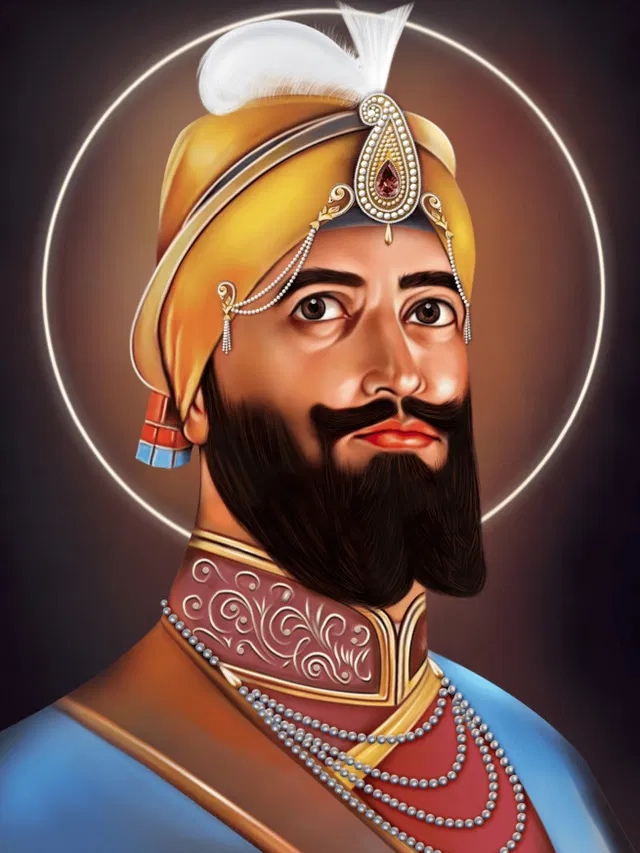
Guru Gobind Singh, the Tenth Guru, exemplified the Sikh ideal of the Soldier-Saint. He was also an inspired and prolific writer, courageous warrior, and a source of Divine Wisdom to his Sikhs. "When all other means have failed," he said, "only then is it righteous to take up the sword." He was the defender of the poor, the meek, and the oppressed masses of India. Guru Gobind Singh was the last Guru of the Sikhs in human form. He created the Khalsa, a spiritual brotherhood and sisterhood devoted to purity of thought and action. He gave the Khalsa a distinctive external form to remind them of their commitment, and to help them maintain an elevated state of consciousness.

The Five "Ks"

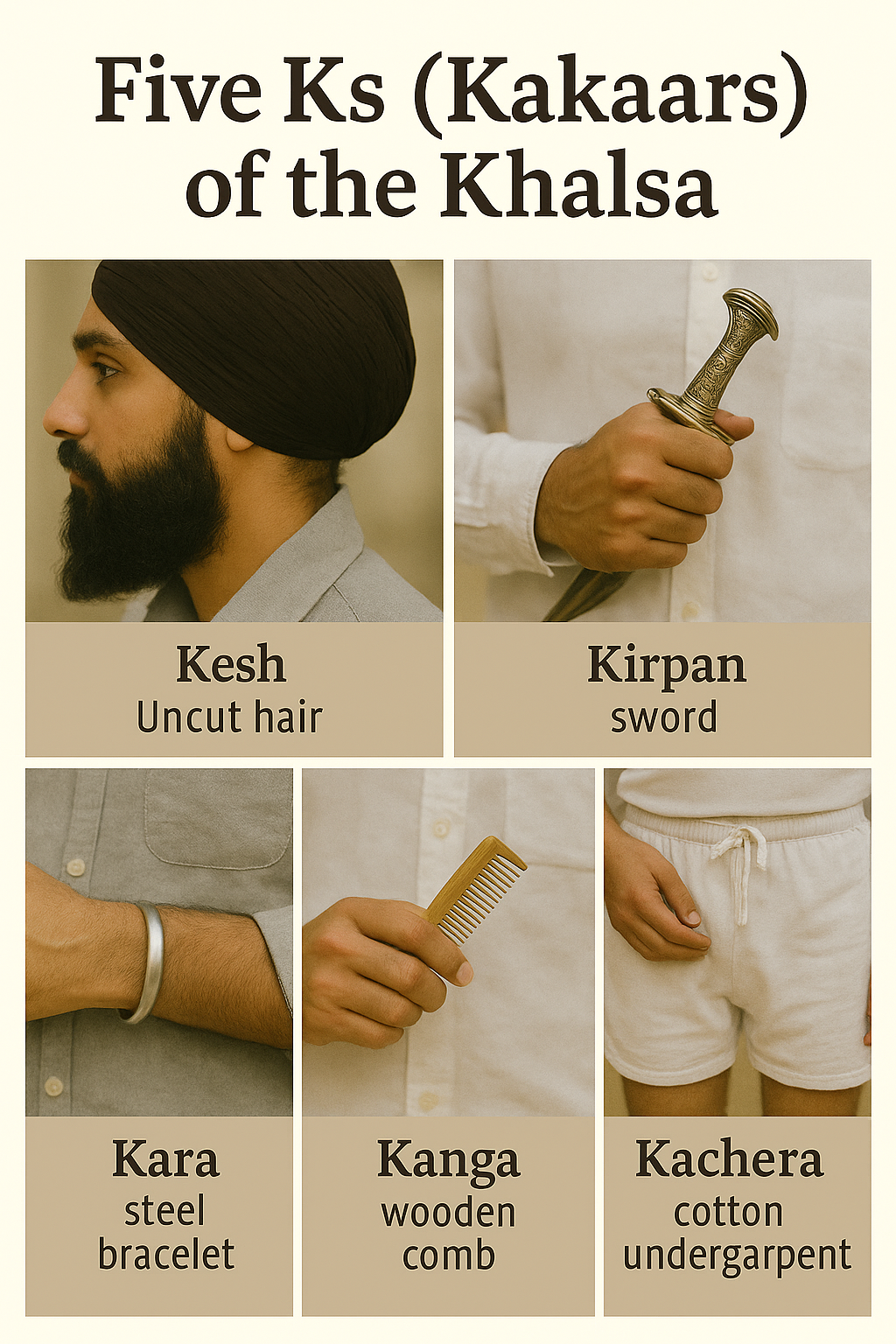
Every Sikh baptized as Khalsa vows to wear the Five "Ks". The Five Ks are the five items of dress and physical appearance given to Sikhs by Guru Gobind Singh when he gathered together the first members of the Khalsa on Vaisakhi day in 1699. These symbols give Sikhs a unique identity signifying discipline and spirituality. However, these items cannot be reduced to just symbols and must be worn in their full form.

Kesh

Uncut hair, which is kept covered by a turban, or dastaar. Kesh are a traditional symbol of holiness in India, and the turban is a symbol of leadership. The dastaar is worn by men and some women to cover their long hair.

Kirpan

A ceremonial sword, symbolizing readiness to protect the weak, and defend against injustice and persecution. The kirpan is normally worn with a cloth shoulder strap called a gatra. The kirpan exemplifies the warrior character of a Sikh.

Kara

A steel bracelet, symbolizing strength and integrity. Steel is symbolic of strength yet resilient under stress. In the same way, the human soul must become as strong and unbreakable as steel which has been tempered in the furnace.

Kangha

A small wooden comb, symbolizing cleanliness and order. The kangha is used to keep the hair clean and is normally tucked neatly in one’s uncut hair. As a Sikh combs their hair daily, he or she should also comb their mind with the Guru’s wisdom

Kachhera

Cotton boxer shorts, symbolizing self-control and chastity; prohibition of adultery.

Help the people

You Can Help us to Change One Person Live Through Donation

  • Food

  • Water

  • Medical

Give Education to Kids

Professional People

Meet Volunteers

Saad Sangat Ji

Experience the Spirit of Seva

To nurture a spiritual sanctuary rooted in the teachings of the Sikh Gurus, where devotion, equality, and community service uplift every soul.

Contact

2VVW+MFH,Chembur Colony, Chembur, Mumbai, Maharashtra 400074

Support

Seva – one of the highest virtues in Sikhism, is the soul of Sikh living – selfless, humble, and done in remembrance of the Divine.

© Copyright 2025 Powered by HARBIRZ INC.