
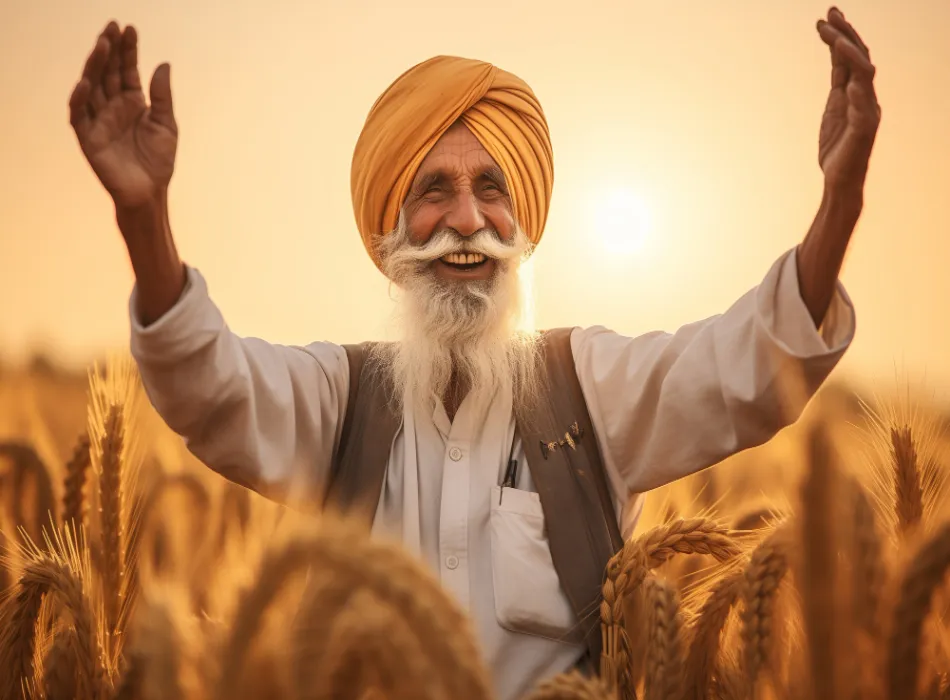
Celebrations of spirit and unity
Sikh festivals are not mere rituals; they are living reminders of history, sacrifice, and divine grace. At the Gurudwara, festivals like Gurpurabs, Vaisakhi, and Bandi Chhor Divas bring the Sangat together in devotion and joy.
On a Gurpurab, the birth or martyrdom anniversary of a Guru, the atmosphere is filled with kirtan, prayers, and Langar. Stories of the Gurus are retold to inspire the next generation. Vaisakhi, marking the birth of the Khalsa in 1699, is celebrated with processions, martial arts displays, and communal prayers. Bandi Chhor Divas reminds Sikhs of Guru Hargobind Sahib Ji’s courage in freeing prisoners unjustly held, teaching us the importance of justice and compassion.
These festivals are also opportunities for seva. Volunteers organize food drives, blood donation camps, and cultural programs. They transform joy into service, reminding us that celebration without compassion is incomplete.
Through festivals, the Gurudwara becomes not only a place of remembrance but of renewal. They deepen Sikh identity while opening doors for the world to experience Sikh spirit.
A Sikh begins the day with prayers, immersing in the remembrance of Waheguru. This anchors the soul in humility. Then comes honest labor—whether as a farmer, doctor, driver, or teacher—every profession is sacred when done truthfully. Finally, Sikhs practice generosity, sharing food, time, or money with those in need.
This way of life creates resilient, compassionate communities. Consider the Sikh diaspora across the world: from running Langars for the homeless in Toronto, to funding hospitals in Punjab, to planting trees in Kenya—Sikhs live their faith through action.
The principle of dasvandh adds structure to this life. By giving a tenth of one’s earnings for the common good, Sikhs ensure their prosperity uplifts others too. In this way, personal success becomes communal success.
The Sikh way of life is not about withdrawal but engagement—living fully, but with integrity, courage, and service.
Every day, Sikhs open the Guru Granth Sahib for a hukamnama—a divine order for guidance. The words, sung in kirtan, touch not just the ears but the heart. They remind the Sangat to live truthfully, serve others, and meditate on Waheguru. Guru Arjan Dev Ji compiled this sacred text, declaring: “The Word of the Guru is the boat, by which we cross the world-ocean.”
What makes the Guru Granth Sahib unique is its timeless relevance. Its teachings are not bound to one community or era. They speak of equality, humility, and love—values humanity always needs. From inspiring freedom fighters during India’s struggles to guiding families today, the Guru’s voice remains a compass through life’s storms.
By bowing before the Guru Granth Sahib, Sikhs submit not to a book, but to divine wisdom that transcends human ego. It is the voice of Waheguru echoing through the ages.